Mai breve la durata,
mai storpia la linea,
mai flebile la traccia.
Ad altrettanta velocità poi,
nel momento più importante
dell’ascesa, fra aspre dune,
la geometria dei solidi
si scompone e dall’alto
s’irradia un caleidoscopio di rifrazioni invisibili
che urtano la fibra più
acuta del nervo e sul lume
si stagliano i solidi
vapori di un filo
che passa sul ciglio
del vulcano:
cosa precipita
dinanzi ai nostri
cervelli spalancati?
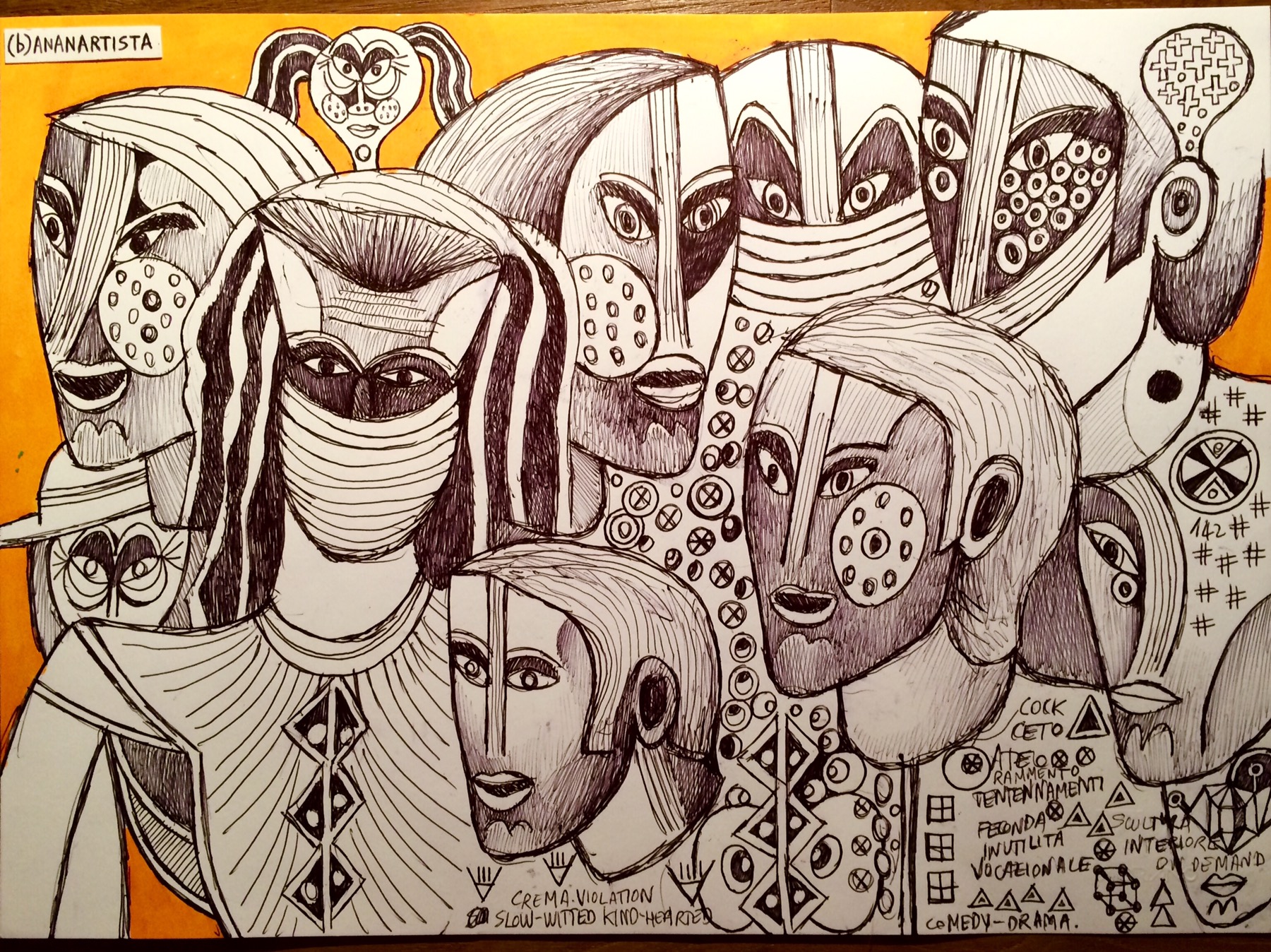
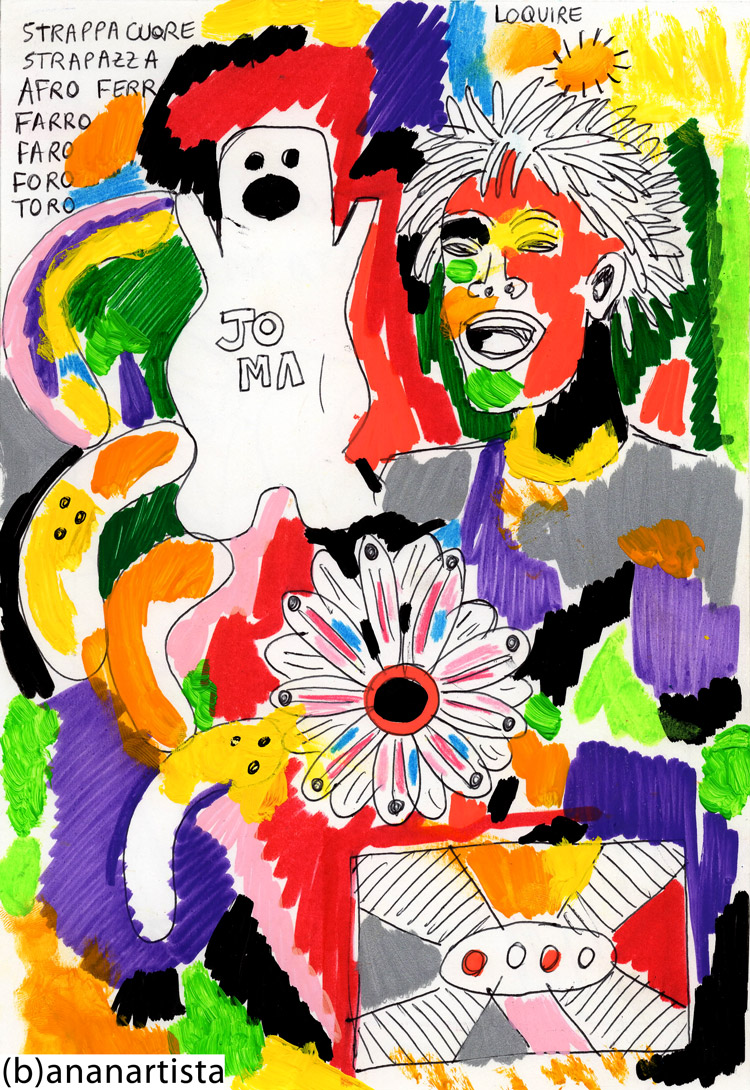
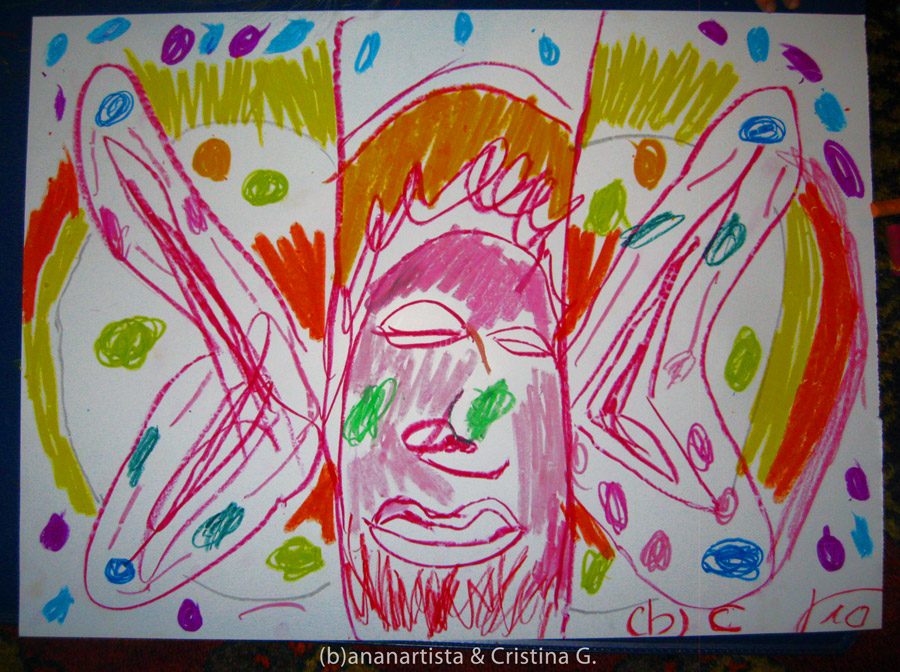
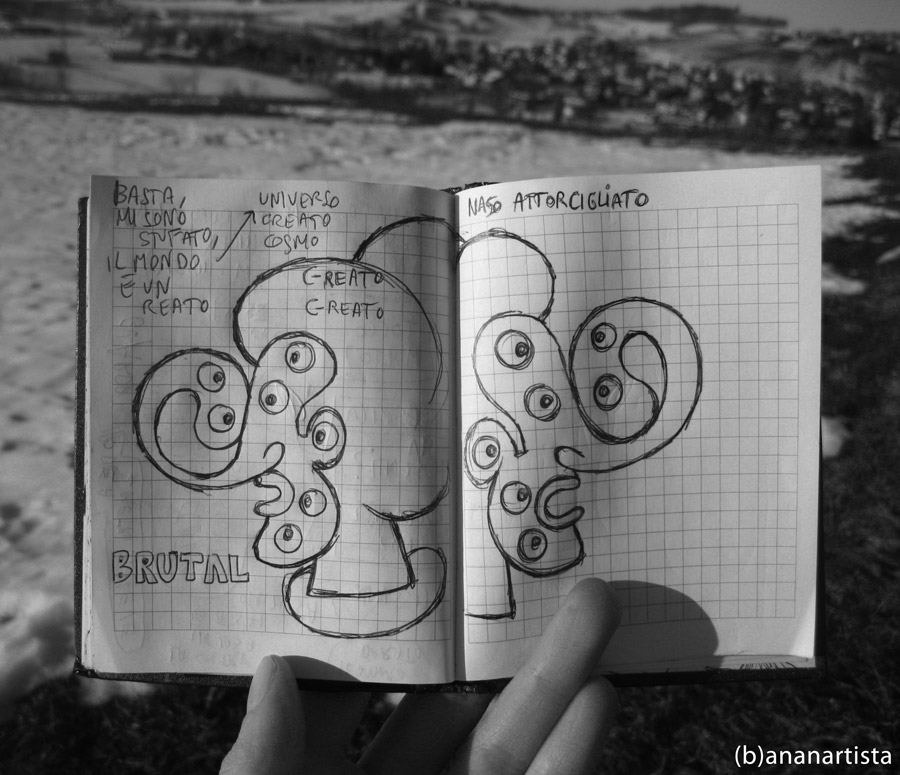
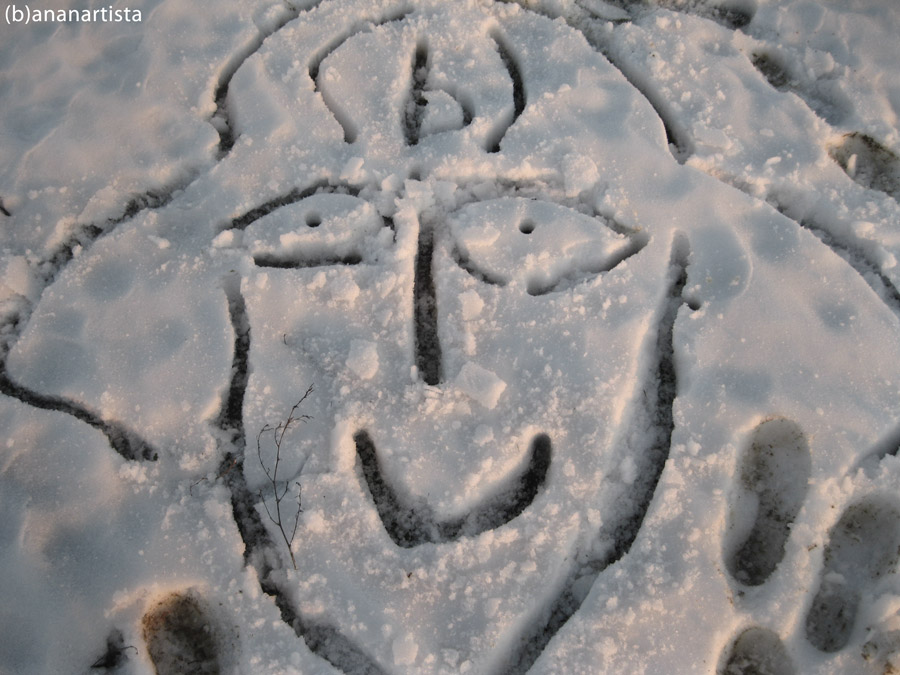
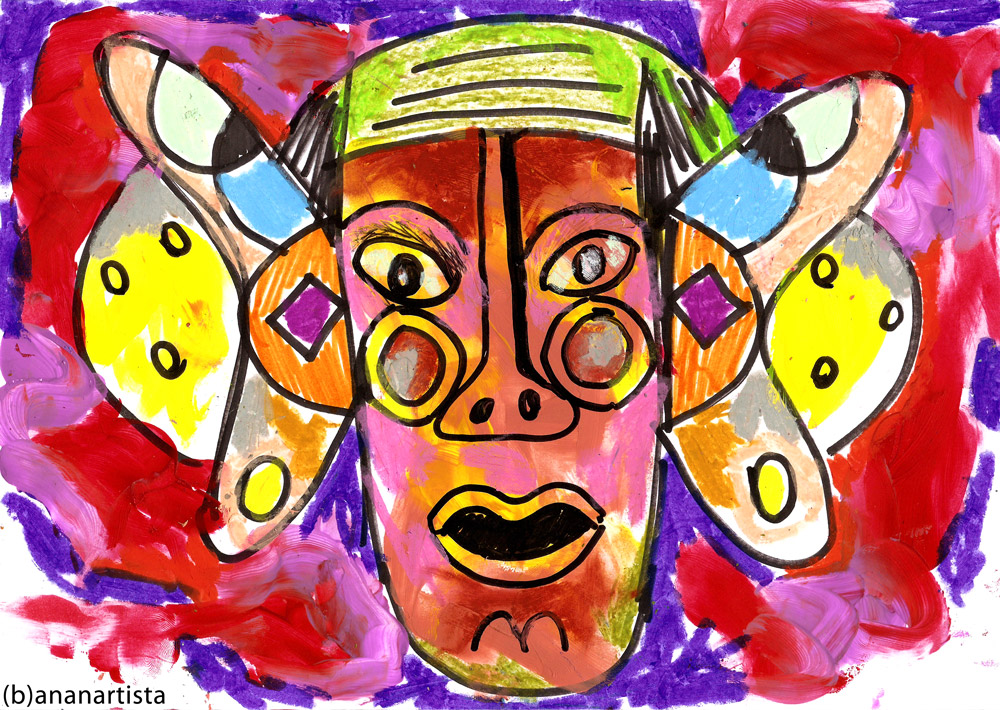
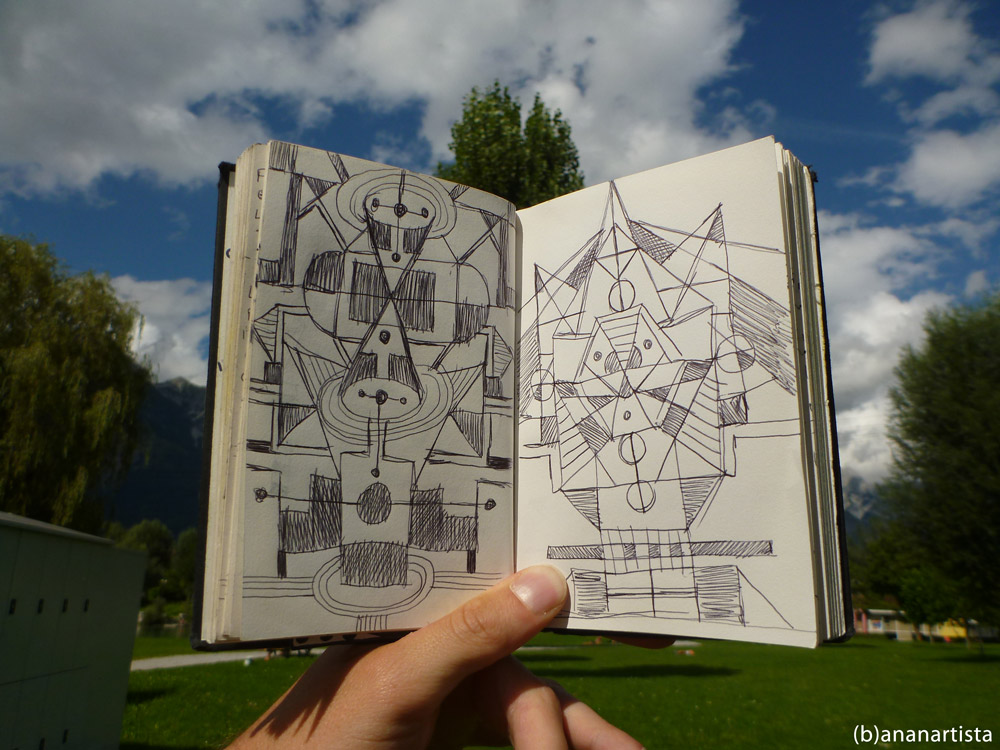
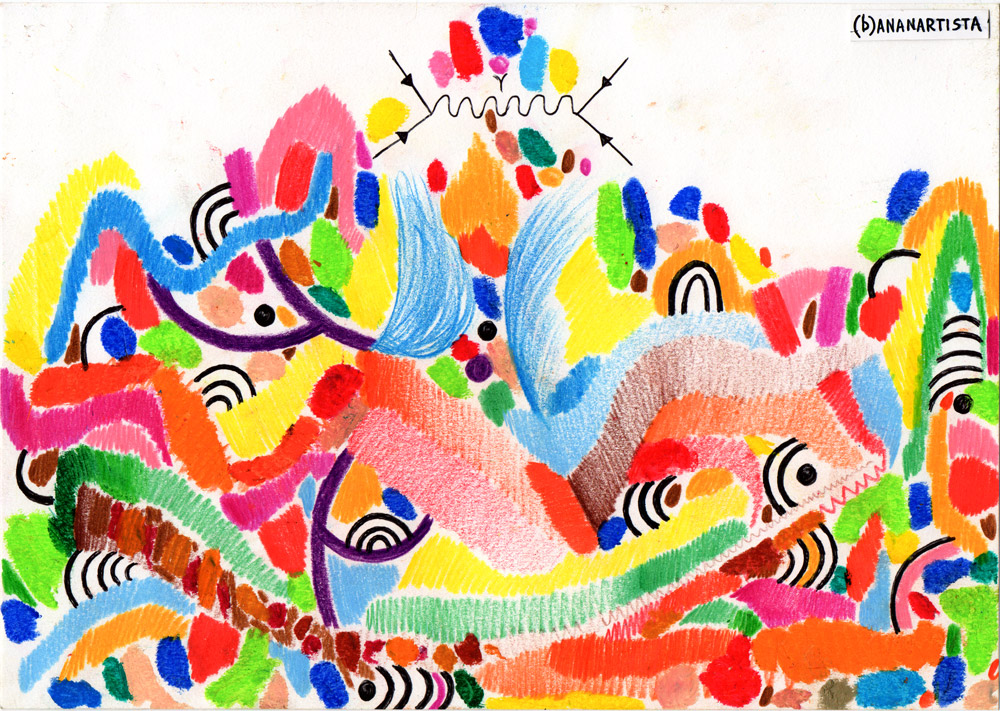
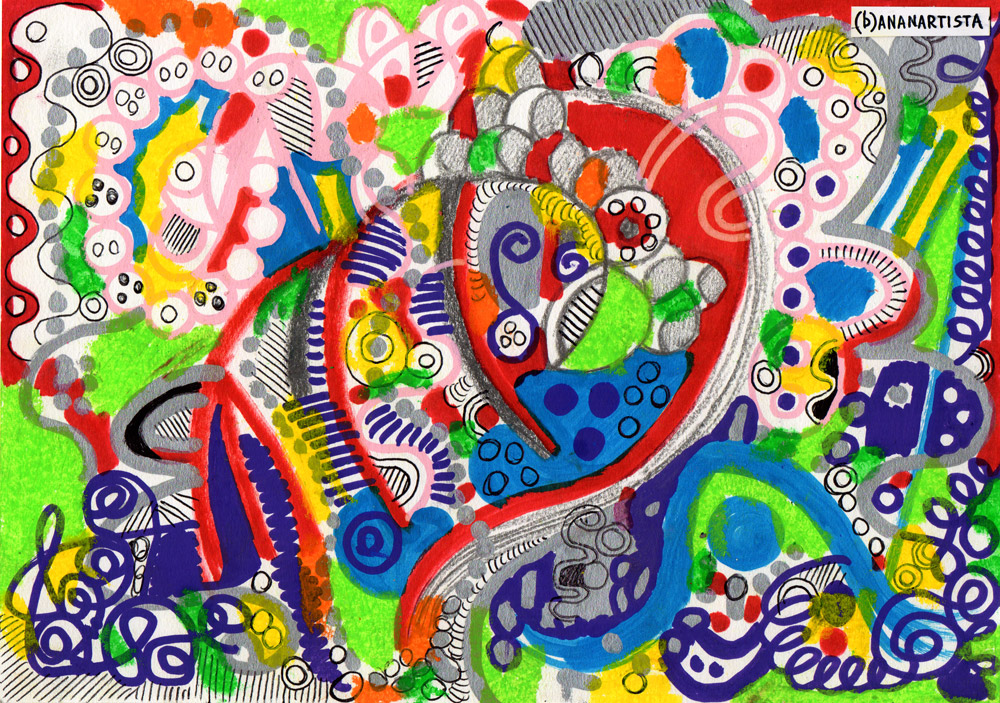
“Hercules colera” – mixed media on paper – (b)ananartista 2015
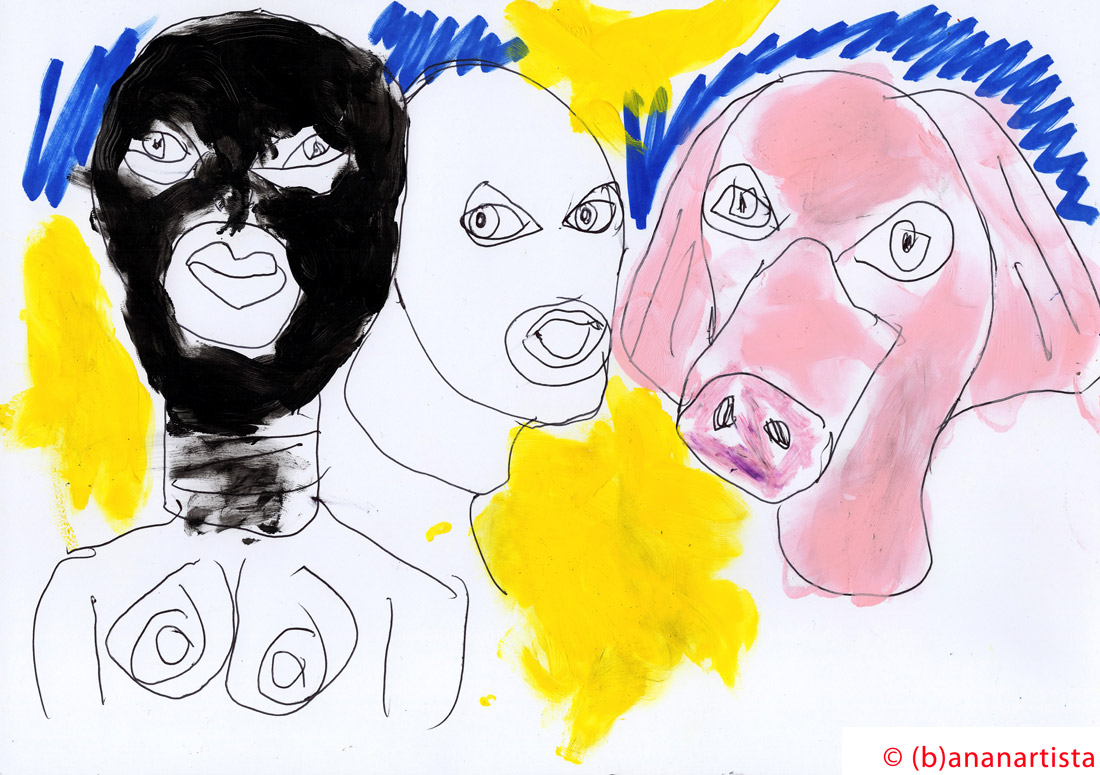
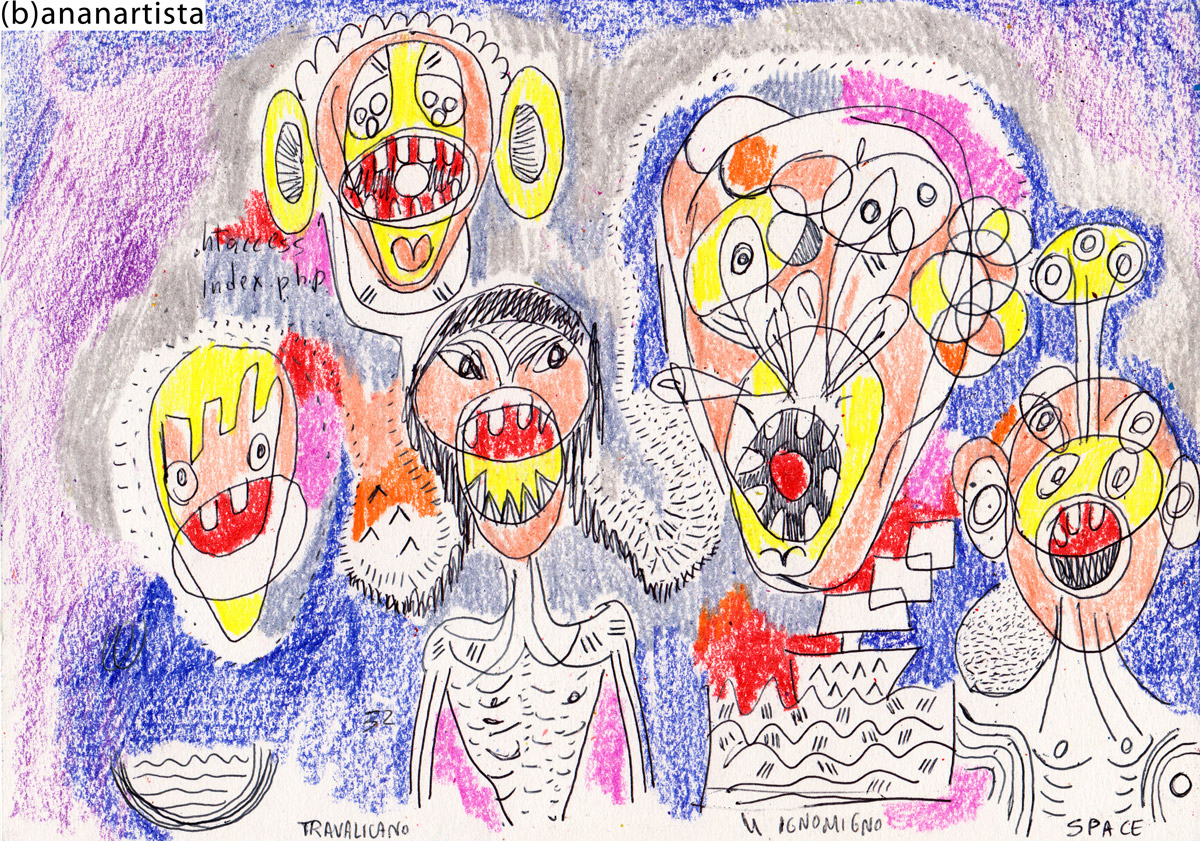
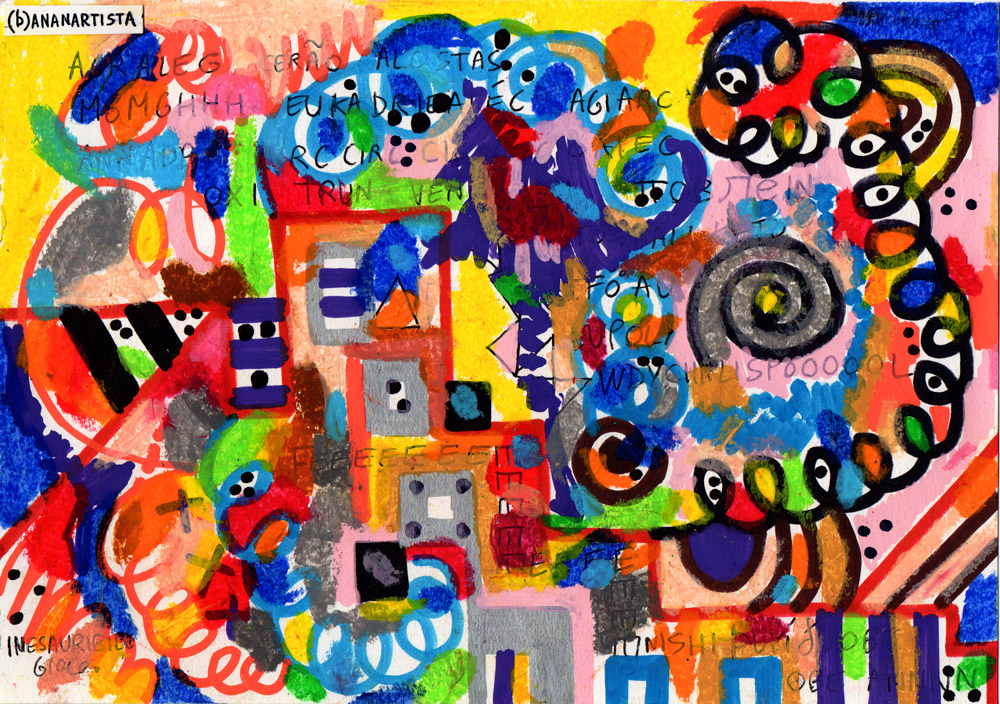
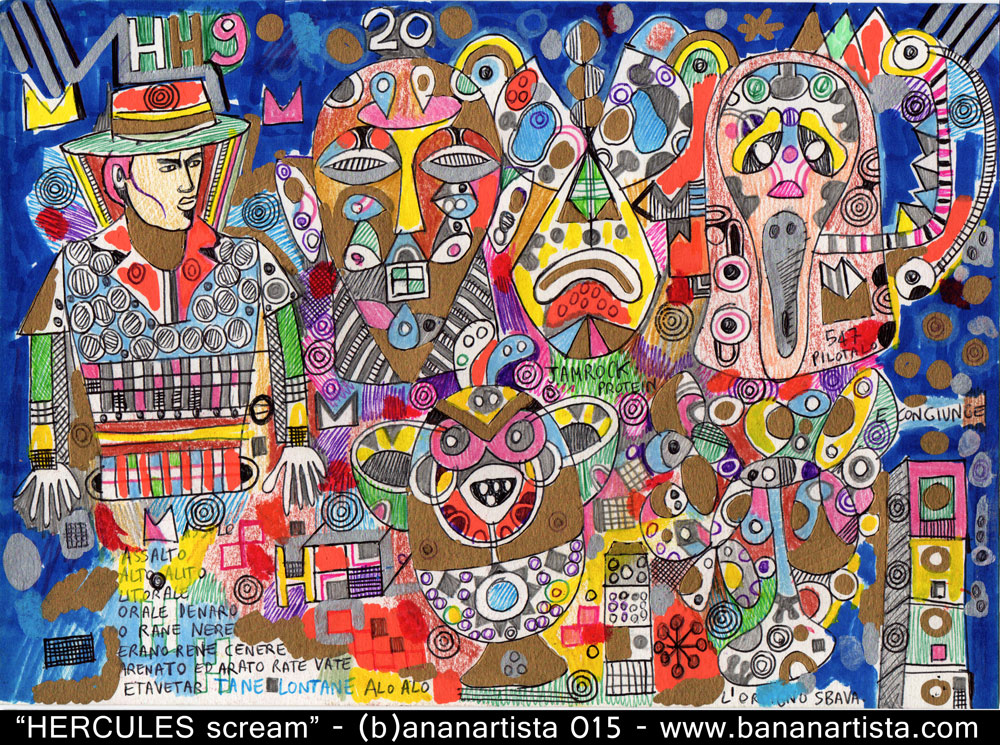
“Hercules furby scream” – mixed media on paper – (b)ananartista 2015
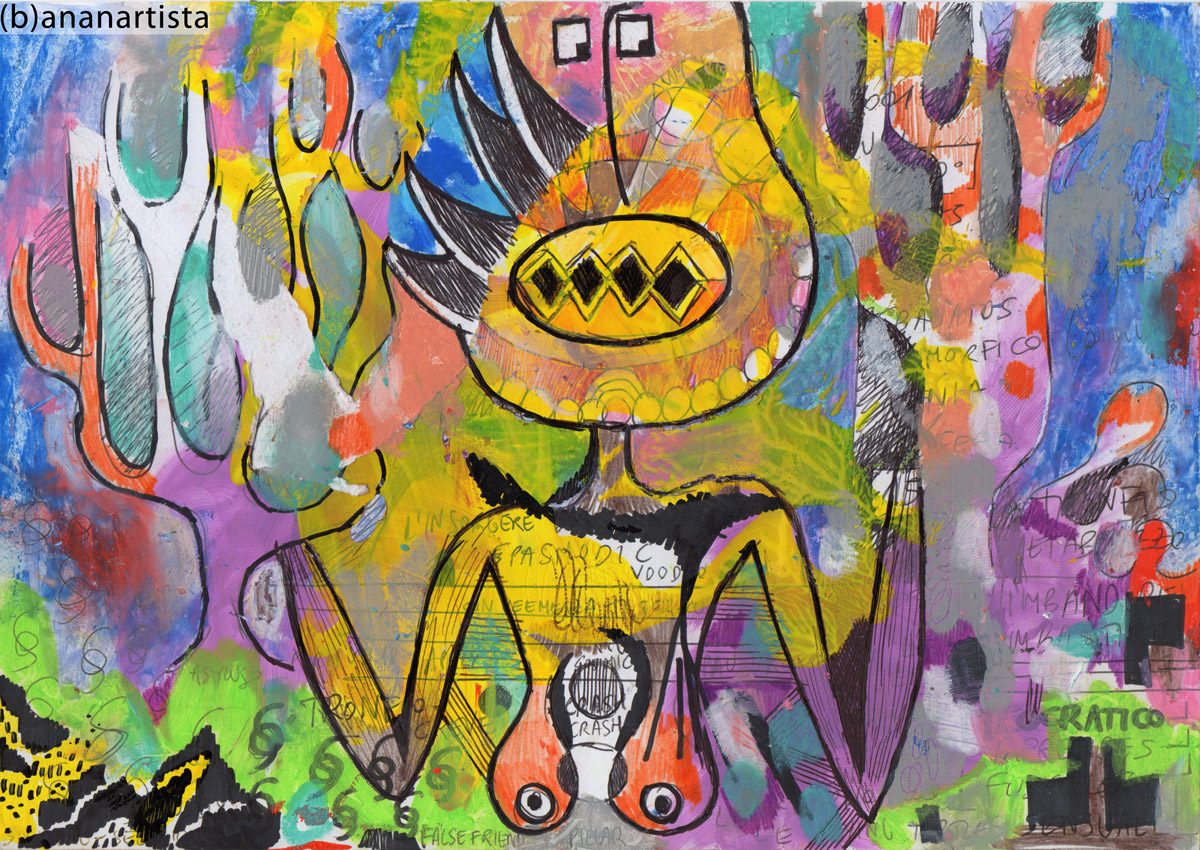
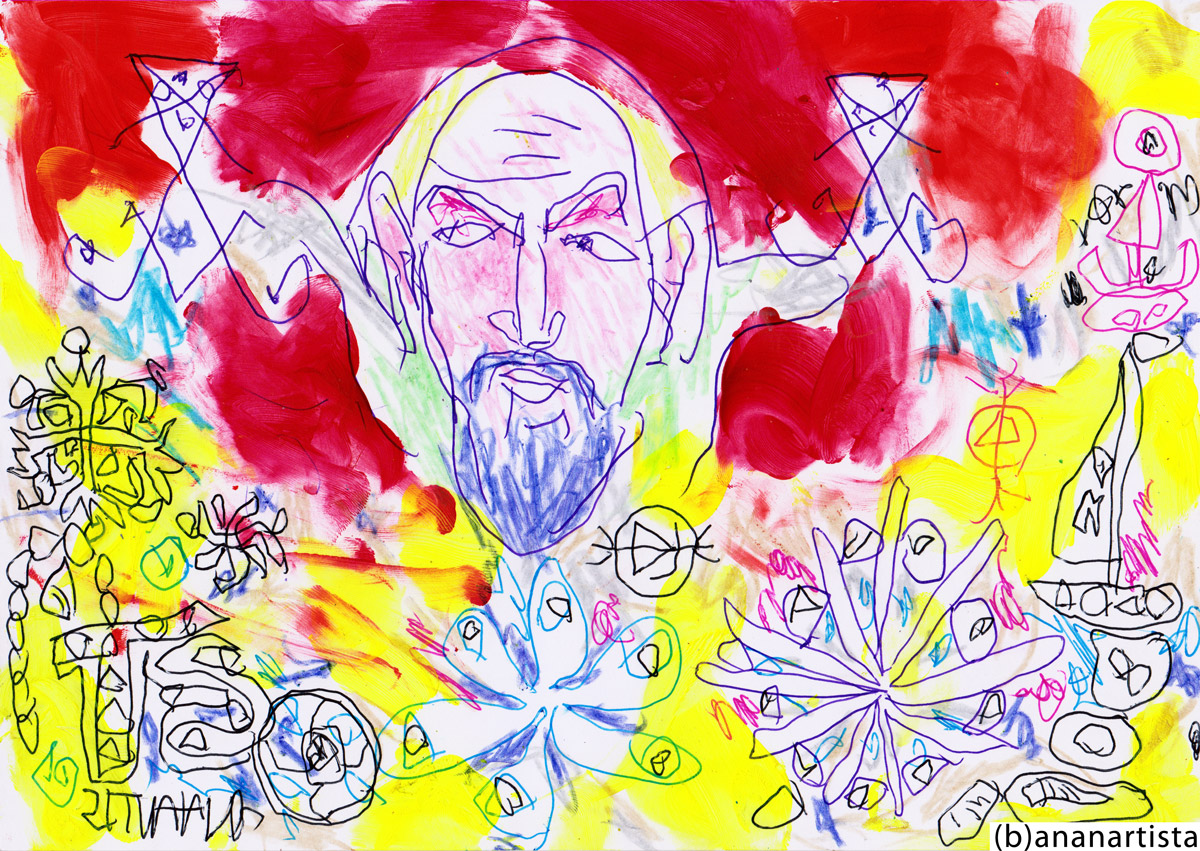
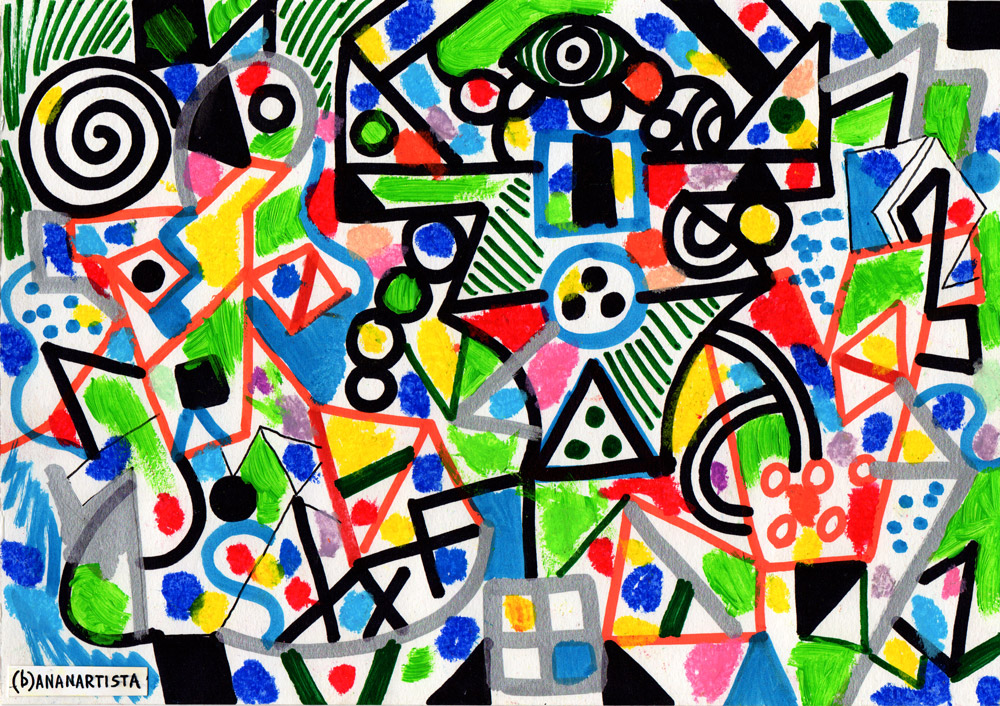
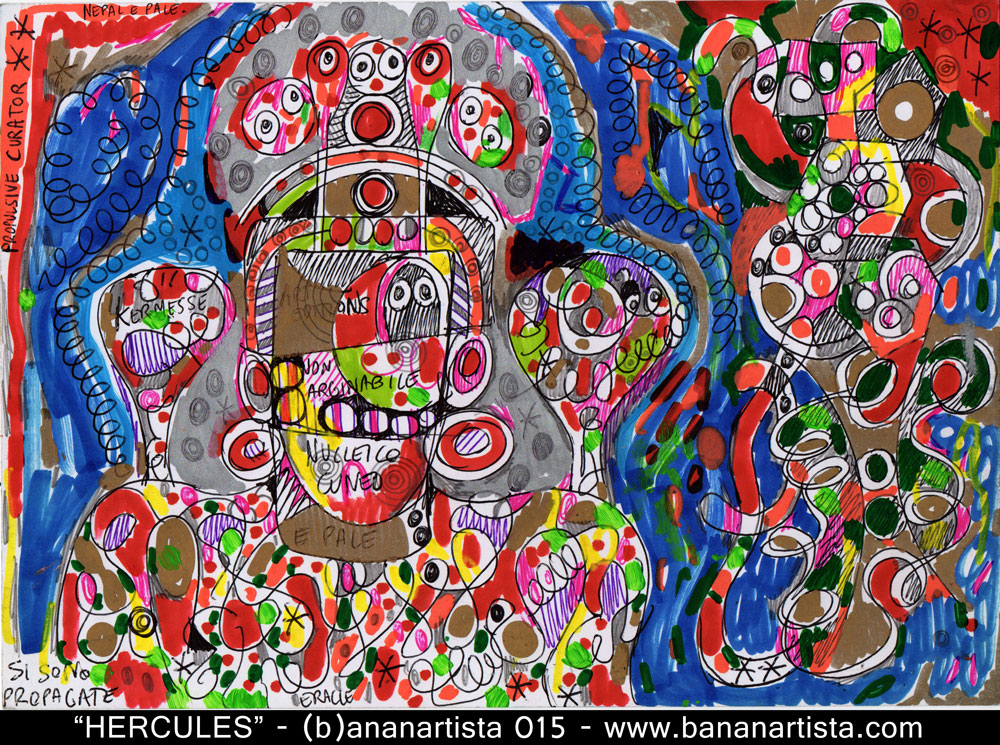
“Hercules labour” – mixed media on paper – (b)ananartista 2015
l’ora d’ombra. adombra, adorna, ornala. assalto, alto alito. orale denaro rane nere erano renne.
jamrock protein: non arginabile l’ordigno sbava e congiunge.
“Myth is an attempt to narrate a whole human experience, of which the purpose is too deep, going too deep in the blood and soul, for mental explanation or description.”
D. H. Lawrence















 (b)ananartista® Sbuffuff